
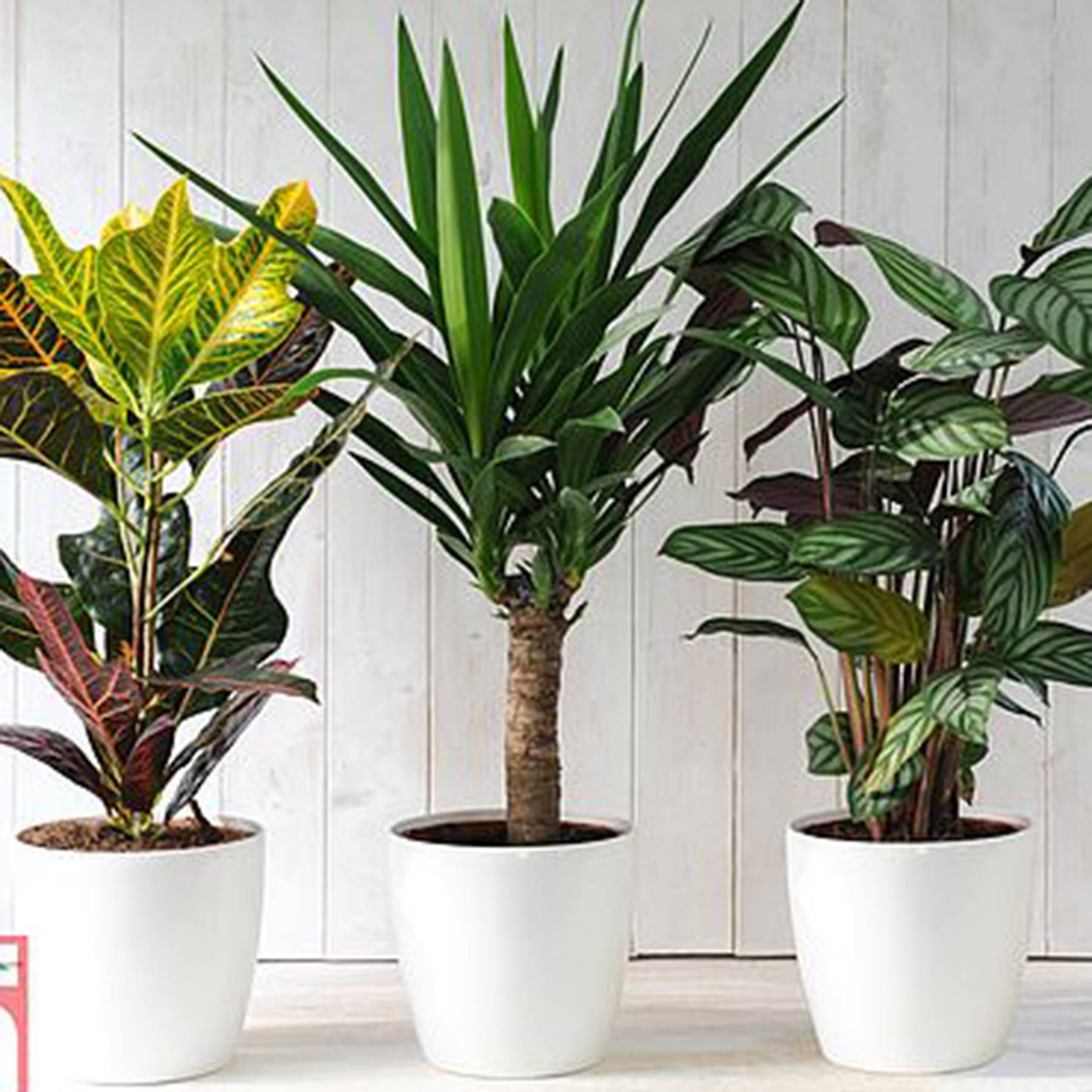
(Image: https://gl-images.condecdn.net/image/0LWxLM3MxxZ/crop/1800/f/hous-t78783-a_h_sq.jpg)As the trend of bringing the outdoors inside continues to gain popularity, tropical houseplants have become a staple in many homes across the UK. These versatile and vibrant plants not only add a touch of greenery to indoor spaces but also offer a host of benefits for both physical and mental well-being. From improving air quality to boosting mood and productivity, tropical houseplants are a must-have for any indoor plant enthusiast.
(Image: https://www.thescarboroughnews.co.uk/jpim-static/image/2024/08/15/14/52/5-houseplants-could-kill-dogs-cats.jpg?crop=3:2,smartu0026trim=u0026width=640u0026quality=65)When selecting tropical houseplants for your home, it is essential to consider factors such as light levels, humidity, and temperature. Most tropical plants thrive in bright, indirect sunlight and require regular watering to keep their soil moist but not waterlogged. Humidity-loving plants like ferns and orchids may benefit from misting or a humidifier to create the ideal growing conditions. It is also important to avoid exposing tropical houseplants to drafts, cold temperatures, or sudden changes in environment, as this can stress the plants and lead to health problems.

Tropical houseplants are a popular choice for indoor gardening enthusiasts, thanks to their stunning beauty, easy care, and range of benefits for physical and mental wellbeing. From their lush foliage to their vibrant flowers, tropical plants add a touch of exotic beauty to any room, transforming a mundane space into a lush oasis. With their ability to thrive in low light conditions and their air-purifying properties, tropical houseplants are an ideal choice for those looking to bring a touch of the tropics into their home. By following a few key care tips, you can enjoy the beauty and benefits of tropical houseplants year-round, creating a stunning indoor garden that will brighten your space and lift your spirits.
The first step in creating a 3D garden design is to conduct a site survey and take accurate measurements of the outdoor space. This information will form the foundation of the design, helping to ensure that the layout is appropriate for the size and shape of the garden. By using tools such as laser levels and GPS devices, designers can capture precise data that can be imported into 3D modelling software.
3. Alocasia: Alocasia plants, also known as elephant ears, are prized for their large, arrow-shaped leaves and dramatic appearance. These tropical plants prefer high humidity and bright, indirect light, making them a great choice for a bathroom or kitchen.
1. Monstera deliciosa: Also known as the Swiss cheese plant, this tropical vine has large, glossy leaves with unique oval-shaped holes. Monstera deliciosa is easy to care for and can thrive in a variety of light conditions, making it a popular choice for beginners.
One of the key benefits of tropical houseplants is their ability to purify the air. In today's increasingly polluted world, indoor air quality is a growing concern for many people. Tropical houseplants, however, act as natural air purifiers by absorbing toxins and emitting oxygen, creating a healthier living environment for inhabitants. Plants such as peace lilies, spider plants, and snake plants are particularly effective at removing common indoor pollutants like formaldehyde, benzene, and trichloroethylene.
The Evolution of 3D Garden Design: The use of 3D technology in garden design has evolved significantly over the years, driven by advancements in software and hardware capabilities. Early versions of 3D garden design software were limited in their features and capabilities, making it difficult to create realistic and detailed representations of outdoor spaces.
3D garden design tools are not just beneficial for homeowners, but also for landscapers and garden designers. By creating a 3D model of the proposed garden, professionals can effectively communicate their vision to clients, ensuring that everyone is on the same page before any construction begins. This collaborative approach can lead to a more efficient and successful project, with fewer misunderstandings and revisions along the way.
Finally, fertilizing your tropical houseplants regularly will help to ensure that they have the nutrients they need to grow and thrive. Use a balanced, water-soluble fertilizer once a month during the growing season, and reduce feeding in the winter when plants are not actively growing. With proper care and attention, your tropical houseplants will reward you with lush foliage, vibrant blooms, and a touch of exotic beauty in your home.
In addition to their air purifying abilities, tropical houseplants can also help to increase humidity levels in your home. Many tropical plants are native to humid environments and require high levels of moisture to thrive. By misting your plants regularly or placing them near a humidifier, you can create a more comfortable and healthy indoor environment, especially during the dry winter months.
While tropical houseplants are generally easy to care for, there are a few key factors to consider in order to ensure their health and vitality. First and foremost, tropical plants require sufficient light in order to thrive. While they can tolerate lower light conditions, they will grow more slowly and may not produce as many flowers or vibrant foliage. Place your tropical plants in a bright, indirect light to provide them with the energy they need to flourish.
Fatal error: Allowed memory size of 402653184 bytes exhausted (tried to allocate 20480 bytes) in /htdocs/wiki/lib/plugins/authplain/auth.php on line 420
Fatal error: Allowed memory size of 402653184 bytes exhausted (tried to allocate 20480 bytes) in /htdocs/wiki/inc/ErrorHandler.php on line 76